
Packaging plays an important role in how products are stored, transported, and presented to customers. For manufacturers and distributors, keeping products securely wrapped while maintaining a neat appearance is an important part of daily operations.
Shrink packaging is widely used across industries because it offers a practical way to bundle products and provide an additional layer of protection. But how does the process actually work, and what should businesses know before investing in this equipment?
A Shrink Packing Machine uses heat to make shrink film fit closely around a product or group of products. Understanding its working process, main components, and applications can help businesses determine whether this packaging method suits their production requirements.
What Is a Shrink Packing Machine?
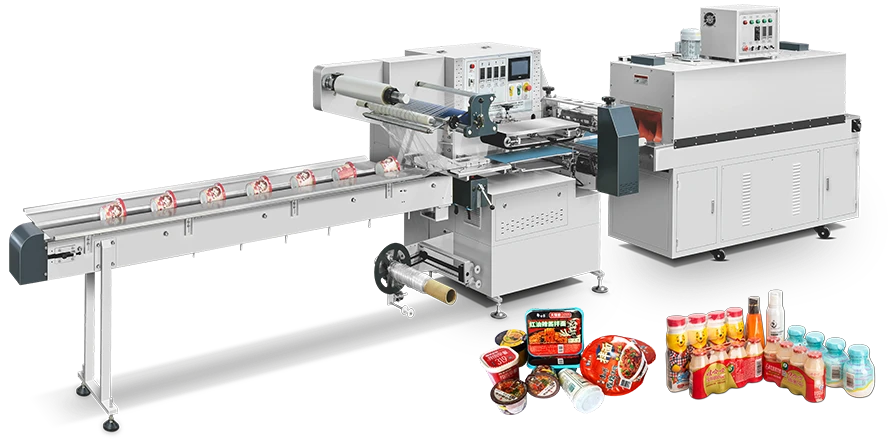
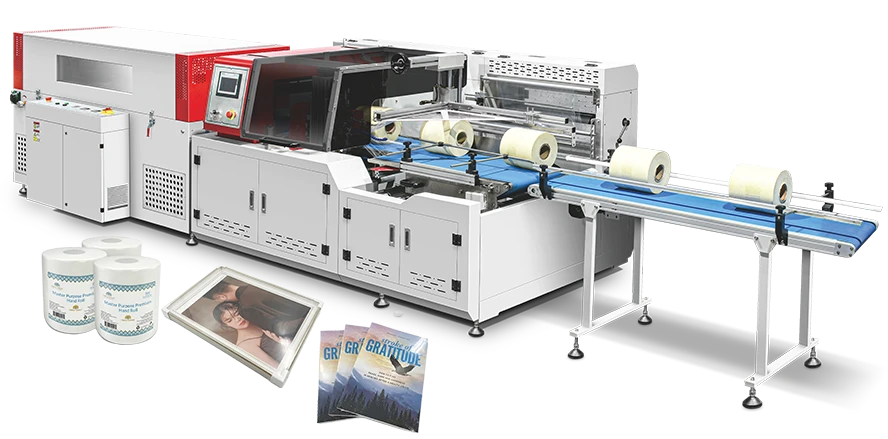
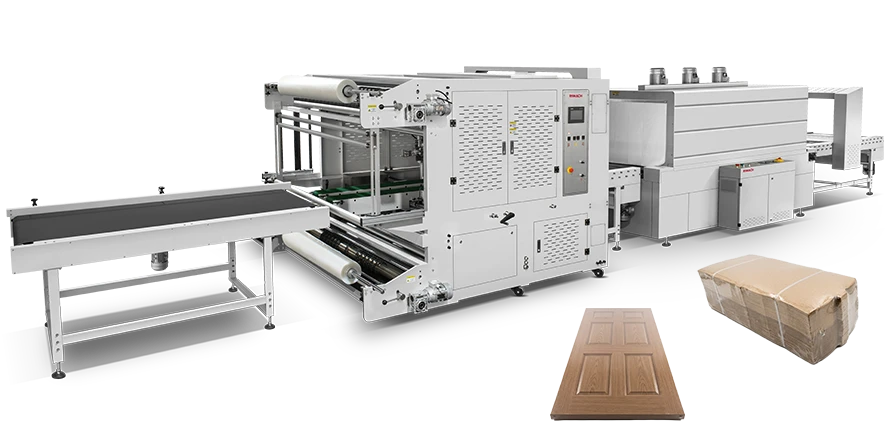
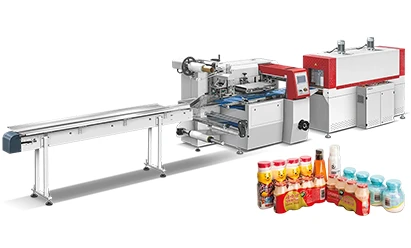
A shrink packing machine is packaging equipment that uses specially designed plastic film and controlled heat to create a close-fitting package around products. After the film is wrapped and sealed, heat causes it to shrink around the product's shape.
The result is a compact package that helps keep products together and provides a clean, consistent appearance. Depending on the machine design and packaging material, it can be used for individual items, multipacks, or larger product bundles.
This equipment is commonly found in food and beverage production, cosmetics, household goods, electronics, and other manufacturing environments.
Common Packaging Applications
Shrink wrapping can be used for a variety of products, including bottled drinks, cans, cartons, boxes, personal care products, and consumer goods.
For retail products, it helps create organized multipacks. In manufacturing and distribution, shrink film can also help keep multiple items together during handling and storage.
The suitable packaging method depends on product dimensions, film characteristics, and the level of protection required.
How Does a Shrink Packing Machine Work?
Although machine configurations vary, most shrink wrapping processes follow a similar sequence. The product is positioned, covered with shrink film, sealed, and exposed to controlled heat so the film contracts around it.
Understanding each stage makes it easier to evaluate equipment and identify which configuration fits a particular production line.
Product Feeding and Positioning
The process starts with placing products into the packaging area. Depending on the machine, products may be loaded manually or transferred automatically through a conveyor system.
Correct product positioning helps ensure that the film covers the intended areas and that products remain properly arranged throughout the packaging process.
For businesses handling different product formats, adjustable feeding systems can make product changeovers more convenient.
Film Wrapping and Sealing
Once the product reaches the wrapping station, shrink film is fed around it. The film may come from a roll or be supplied in a preformed configuration, depending on the equipment design.
The sealing system then joins or cuts the film to create an enclosed package. Sealing quality matters because weak or inconsistent seals may affect the finished package during the shrinking stage.
Different machines use different sealing arrangements, such as L-bar sealing or continuous side sealing. The appropriate option depends on product size, packaging format, and production requirements.
Heat Shrinking Process
After sealing, the wrapped product moves through a heat shrink tunnel or another suitable heating system.
Warm air is distributed around the package, causing the shrink film to contract and follow the product's shape. Temperature, airflow, conveyor speed, and film properties all influence the final result.
Proper adjustment helps achieve a smooth finish while reducing problems such as excessive wrinkles, loose film, or overheating.
Cooling and Product Discharge
After the heating stage, the package needs time to cool and stabilize. Some machines use a cooling section or forced-air system to help the film retain its shape.
The finished products are then discharged for inspection, storage, or further distribution.
What Types of Shrink Film Can Be Used?
Film selection is an important part of the shrink packaging process. Different materials have different shrink characteristics, sealing properties, and application requirements.
Choosing compatible film helps maintain packaging quality and supports consistent machine operation.
Common Shrink Film Materials
POF Shrink Film: Polyolefin film is commonly used for consumer goods, retail products, and multipacks. It offers good clarity and flexibility for many general packaging applications.
PE Shrink Film: Polyethylene film is often selected for heavier products, larger bundles, and multipack packaging. Its properties make it suitable for applications where stronger film performance is needed.
PVC Shrink Film: PVC film has been used in various retail packaging applications. However, material selection should also consider local environmental regulations, recycling requirements, and the intended packaging use.
Not every machine handles every film type in the same way. Before choosing packaging equipment, check film compatibility with the sealing system and heating configuration.
What Should You Consider When Choosing a Shrink Packing Machine?
Selecting packaging equipment involves more than comparing machine prices or advertised production speeds. Businesses should consider how the equipment will perform under their actual operating conditions.
Product Size and Packaging Requirements
Start by identifying the dimensions, weight, and shape of the products you intend to package. A machine designed for small retail items may not be suitable for large cartons or heavy multipacks.
It is also important to consider whether you need individual product wrapping, bundled packaging, or continuous production-line packaging.
Production Capacity and Automation
Your expected output is another important consideration. Semi-automatic machines may suit operations with moderate production requirements, while automatic shrink wrapping machines can support more continuous packaging processes.
Consider how the equipment will connect with existing conveyors, feeding systems, and downstream packaging equipment.
Operating Costs and Maintenance
Energy consumption, film usage, routine maintenance, and replacement parts all contribute to the overall operating cost.
A machine with accessible components and straightforward adjustment procedures can make routine maintenance easier. It is also worth checking the availability of technical support, operator training, and spare parts before making a purchasing decision.
Summary
A shrink wrapping system offers a practical packaging solution for manufacturers looking to bundle products, improve package presentation, and support organized product handling.
What to Take Away
-
The equipment uses heat to shrink film around individual products or product bundles.
-
The main process includes product feeding, film wrapping, sealing, heating, and cooling.
-
POF, PE, and PVC films have different properties and application requirements.
-
Product dimensions, packaging format, automation level, and maintenance needs all influence equipment selection.
-
Proper machine adjustment and compatible film materials help maintain consistent packaging quality.
Looking for the Right Shrink Packaging Solution?
Choosing packaging equipment is an important step in building an efficient production process. Whether you are packaging individual consumer products, retail multipacks, or larger product bundles, the right machine configuration should match your materials, output requirements, and operating conditions.
Our team can help you explore suitable equipment options and understand the features that matter for your application.
Contact us today to discuss your product specifications, packaging requirements, and production goals. We will be happy to help you find a suitable shrink packaging solution for your business.